Kiln casting molds are essential in glass art: they hold the glass while it melts, let it flow into form, and withstand annealing without damaging the piece.
When working with kiln casting, the choice of mold material makes all the difference. The mold doesn’t just contain the glass while it melts—it influences surface detail, firing stability, and how easily the piece releases afterwards.
Two of the most reliable and widely used options for glass casting are investment molds and vermiculite panels. Each comes with unique advantages and limitations, and knowing when to use which can save time and frustration.
What makes a good kiln casting mold
A reliable mold should:
- Withstand the maximum temperature of your firing cycle without collapsing or deforming.
- Allow outgassing and expansion (so avoid trapped moisture).
- Be safe to handle: non-toxicity, low dust, stable materials.
- Release cleanly from the glass (little sticking, minimal finishing required).
- Be cost-effective based on your frequency of use (one-time, occasional, or repeated).
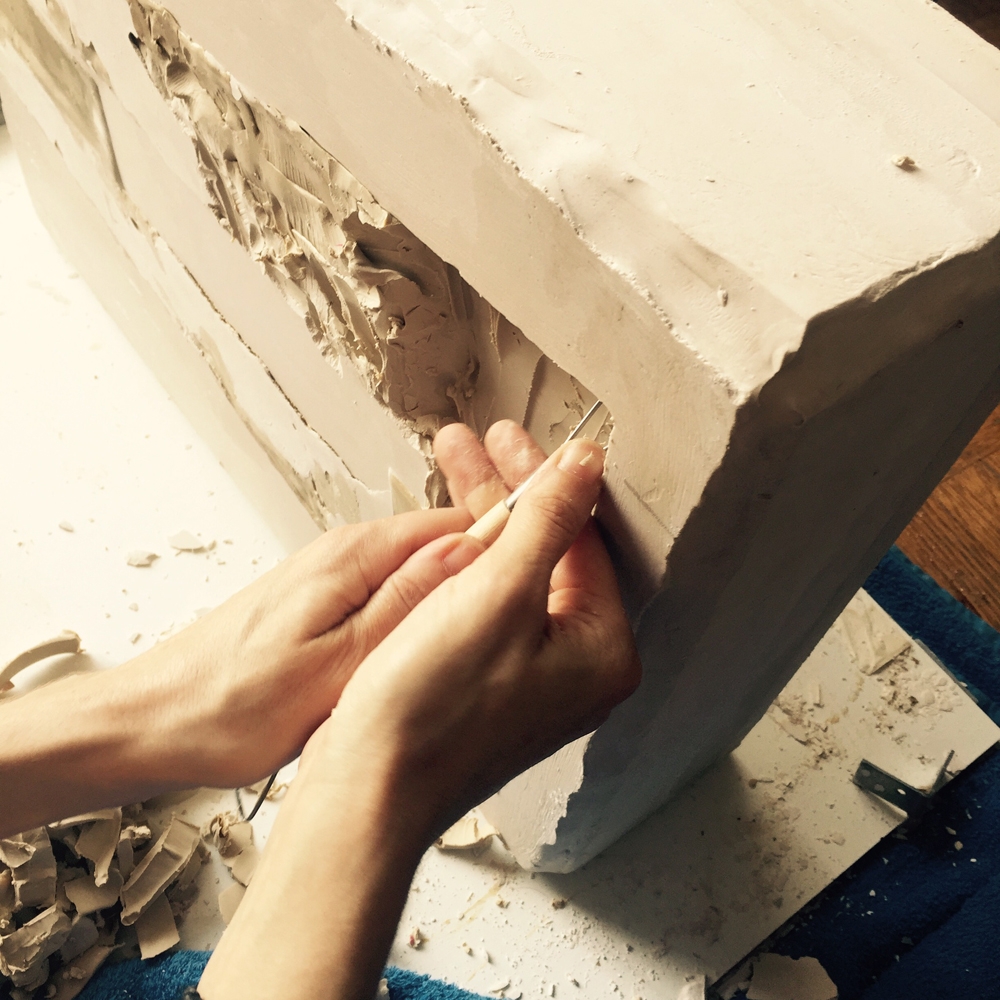
Plaster & silica (investment molds)
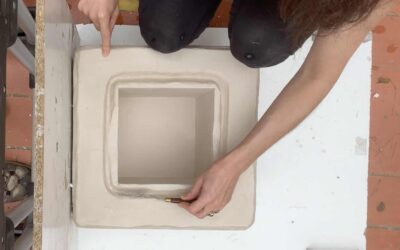
Plaster & silica molds are made from a mixture—often in equal parts by weight—that is poured around a model and left to dry thoroughly. This combination has long been the standard in kiln casting because of its ability to capture detail with remarkable precision.
Strengths:
- Excellent surface detail and texture reproduction.
- Relatively inexpensive materials, easy to mix.
- Suitable for both small and medium-sized castings.
Limitations:
- Usually single-use: molds break down after firing.
- Susceptible to cracking if not completely dry.
- Limited strength for very large or heavy castings.
When firing the glass inside these molds, it’s essential to prefire the kiln at around 200 °C (392 °F) for a couple of hours before starting your normal firing schedule. This ensures the mold is completely dry and reduces the risk of cracks or steam-related failures.
The mold should also be perfectly clean before casting. Any residue left from the prototype can cause contamination or introduce unwanted particles into the glass during firing. To avoid this, clean the surface gently with a damp sponge, and use compressed air to remove fine dust from detailed areas. This ensures a clean casting surface and prevents flaws in the finished piece.
Because of their precision, plaster & silica molds are best when your glass artwork requires intricate reliefs, crisp textures, or subtle surface qualities.
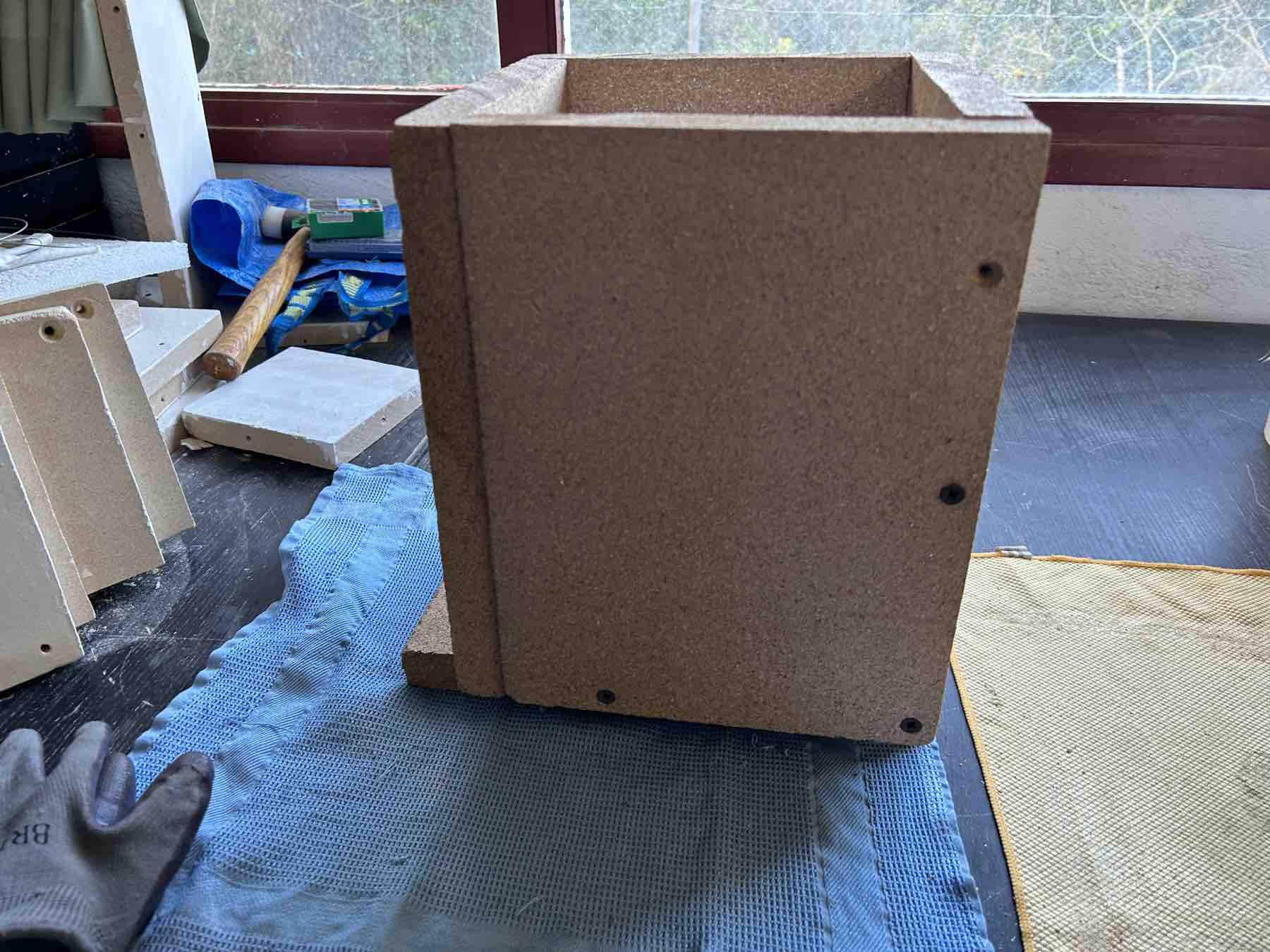
Vermiculite panels
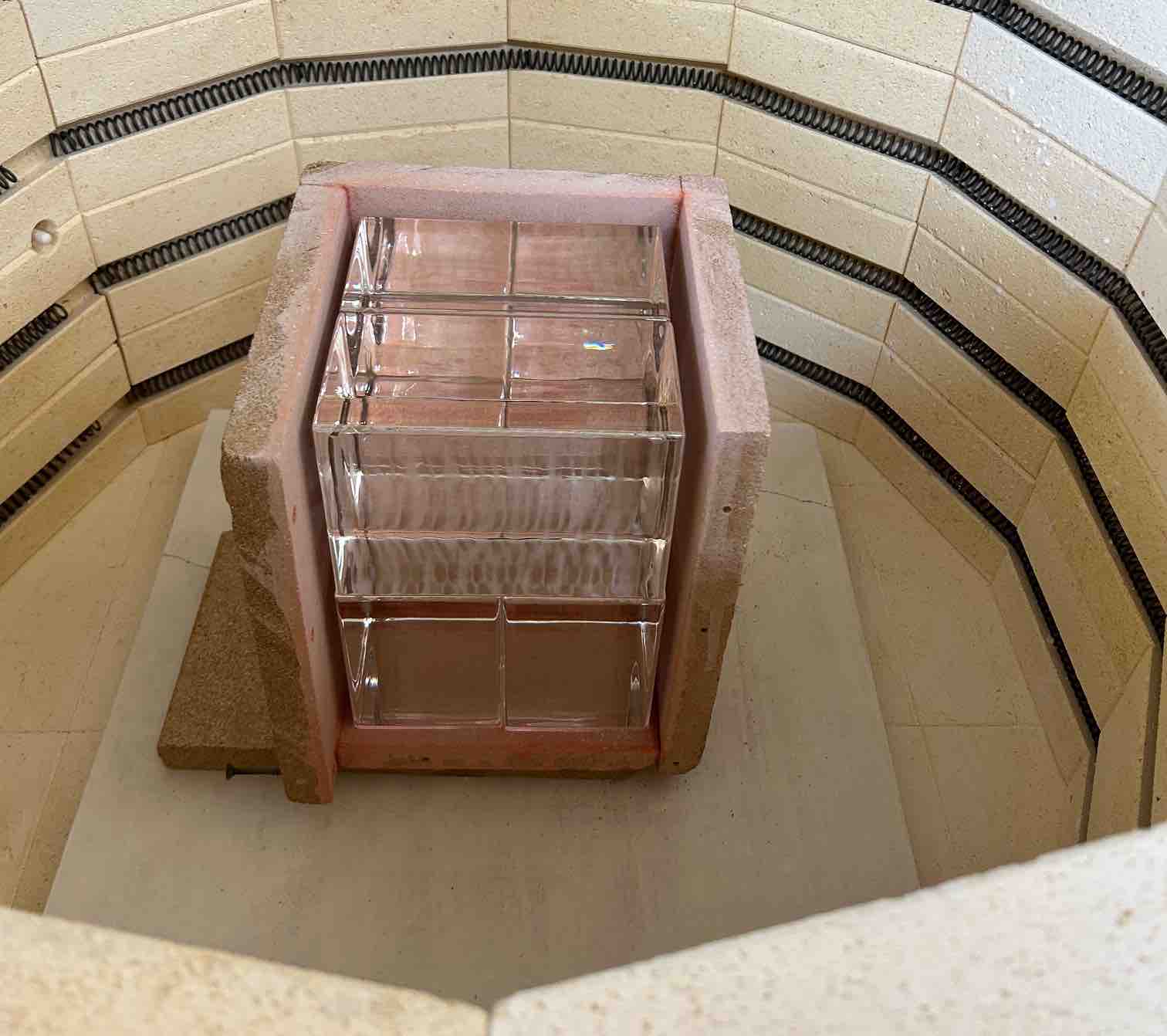
Vermiculite is a lightweight, fire-resistant mineral that is pressed into panels or boards. These panels can be cut, shaped, or assembled into molds or containment boxes. While they don’t capture intricate textures, they offer durability and ease of use that makes them indispensable in many studios.
Strengths:
- Reusable across multiple firings when handled carefully.
- Lightweight and easy to work with.
- Lower thermal mass for faster heating and cooling cycles.
Limitations:
- Limited detail compared to plaster & silica.
- Edges can chip or degrade with repeated firings.
- Not ideal for complex or highly textured forms.
Before casting, the panels need to be coated to prevent the glass from sticking to their surface. Once coated, they should be pre-fired at around 200 °C (392 °F) for a couple of hours to seal the coating and prepare the panels for use at higher casting temperatures.
Panels can be assembled with stainless steel screws to avoid contamination, and should be sealed carefully. Applying a layer of refractory cement to the outside edges prevents leaks.
Vermiculite molds are ideal for projects where structural reliability, repeat use, and simplicity matter more than intricate design.
| Mold type | Advantages | Limitations | Best for |
|---|---|---|---|
| Plaster & silica (investment molds) | Captures fine detail and textures. Adaptable for different shapes. Can be mixed in the studio. | Usually single-use. Prone to cracking if not dry. Limited durability for heavy castings. | Detailed glass artworks, reliefs, and textured surfaces. |
| Vermiculite panels | Reusable. Lightweight. Easy to cut and shape. Quick heating/cooling. | Limited surface detail. Edges may degrade. Not suited for intricate designs. | Flat castings, containment molds, repeatable projects. |
Choosing between plaster & silica and vermiculite panels
The choice between these two kiln casting mold types depends on what matters most for your project:
- Go with plaster & silica if you need fine surface detail, texture, or crisp reliefs. It’s the most reliable way to capture intricate designs, even though it’s often single-use.
- Choose vermiculite panels if durability, reusability, and ease of handling are more important than high definition. They excel in structural or repeatable projects where a sturdy mold is essential.
You can even combine both approaches—using plaster & silica prototypes inside a vermiculite containment box—to get additional internal details.
Final thoughts
Plaster & silica investment molds and vermiculite panels cover the essential needs in kiln casting. One offers precision and fine texture, the other durability and reusability. By understanding their properties—and applying safe studio practices like prefiring plaster molds and reinforcing vermiculite panels—you can achieve consistent, professional results in your glass casting projects.
FAQ: Kiln casting molds
Can vermiculite molds be reused?
Yes, vermiculite panels can be reused multiple times if handled carefully, especially when reinforced with stainless steel screws and sealed with refractory cement.
Why does plaster crack in kiln casting?
Cracking usually occurs because of trapped moisture. Always prefire plaster & silica molds at 200 °C for a couple of hours before raising the kiln to casting temperature.
What’s the difference between investment molds and panel molds?
Investment molds (plaster & silica) are single-use and capture fine detail. Panel molds (vermiculite) are reusable and durable but offer less texture definition.